
Growing citrus on Long Island may sound unlikely, but with the right approach, lemon trees, lime trees, and calamondin citrus can thrive here. Thanks to container gardening and seasonal care, Long Island gardeners can enjoy fragrant blooms and fresh citrus fruit at home – even in a Northeast climate.
This guide covers the essentials of citrus plant care on Long Island, from choosing the right varieties to overwintering indoors.
Can Citrus Trees Grow on Long Island?
Yes, citrus trees can grow on Long Island, but they must be grown in containers. Citrus plants are tropical and cannot tolerate freezing temperatures, so pots allow them to be moved outdoors in summer and indoors for winter protection. Container-grown citrus is ideal for patios, decks, and sunny indoor spaces.
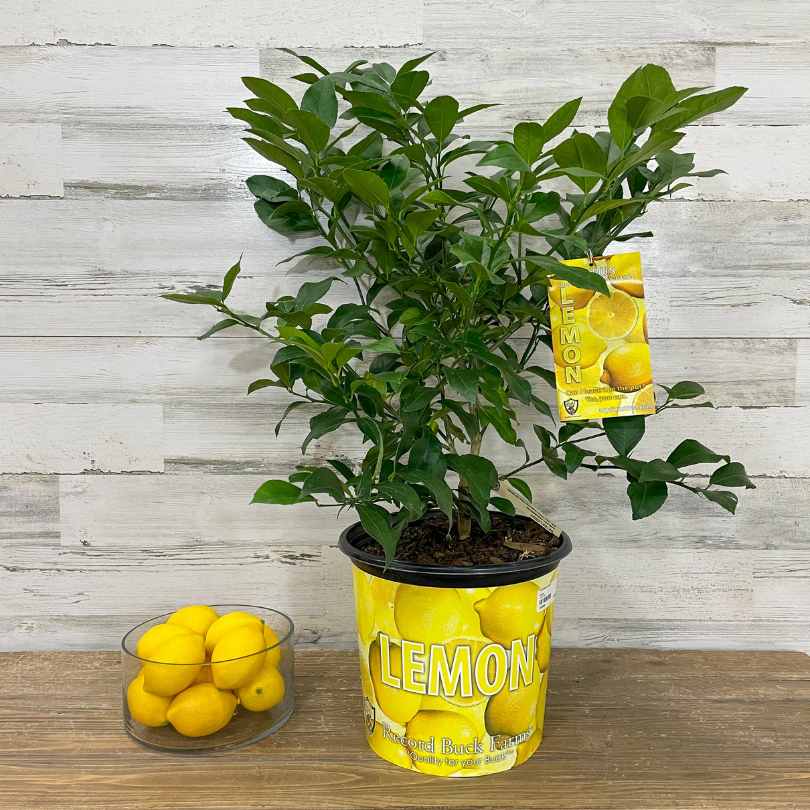
Lemon
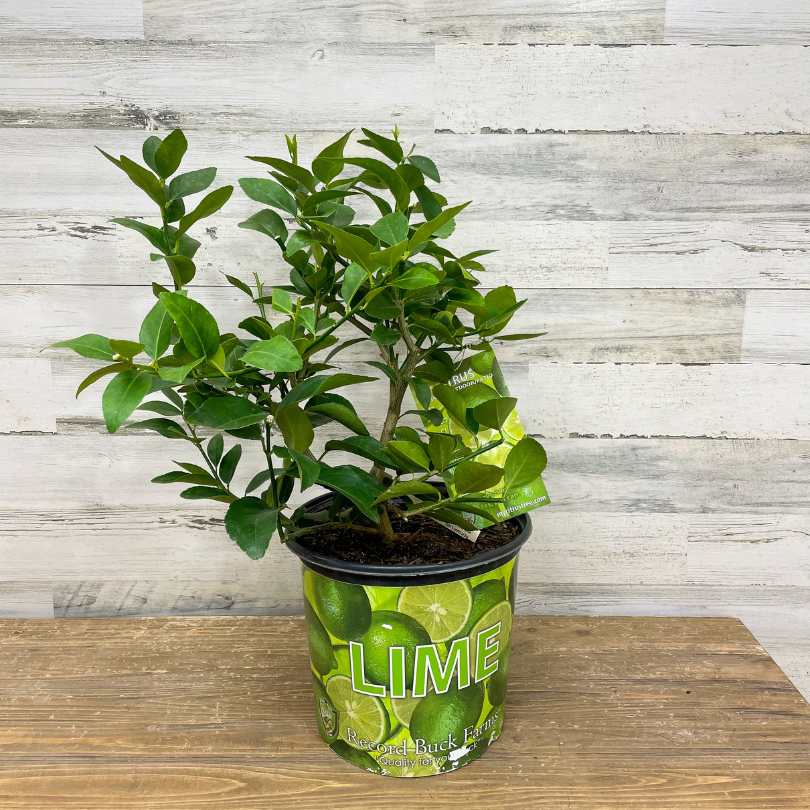
Lime
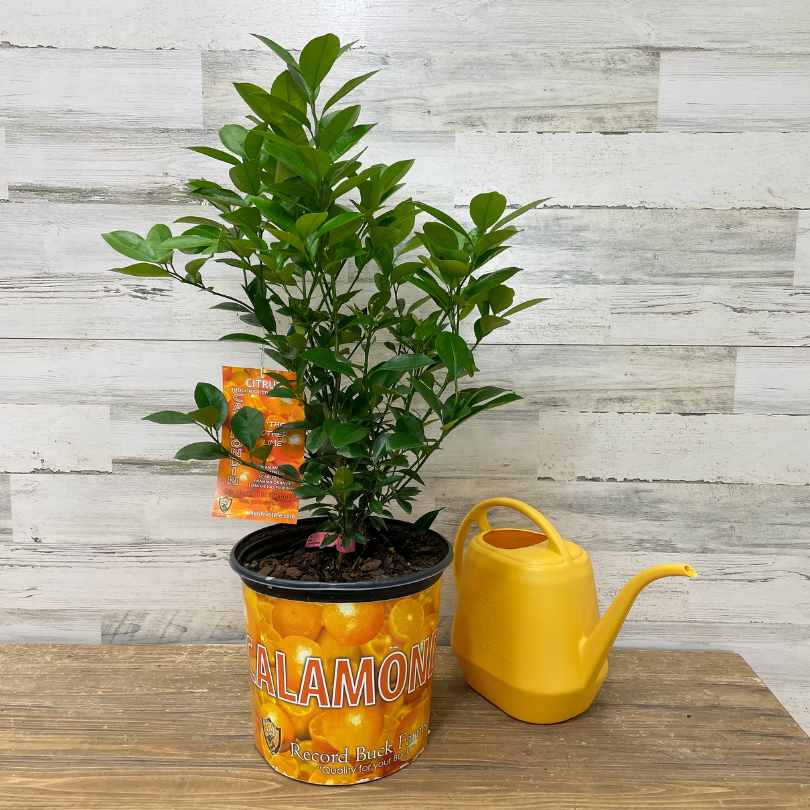
Calamondin
Best Citrus Plants for Long Island Gardens
- Lemon Trees: Meyer lemon trees are a top choice for Long Island gardeners. They are more compact and slightly more cold-tolerant than other lemons, producing sweet, flavorful fruit and highly fragrant flowers regularly.
- Lime Trees: Persian lime trees grow well in containers and love warm summer conditions. With proper sunlight and feeding, they can produce excellent fruit on Long Island.
- Calamondin Citrus: Calamondin trees are one of the easiest citrus plants to grow. Valued for their glossy foliage, abundant fruit, and tolerance of indoor conditions, calamondins are ideal for overwintering indoors.
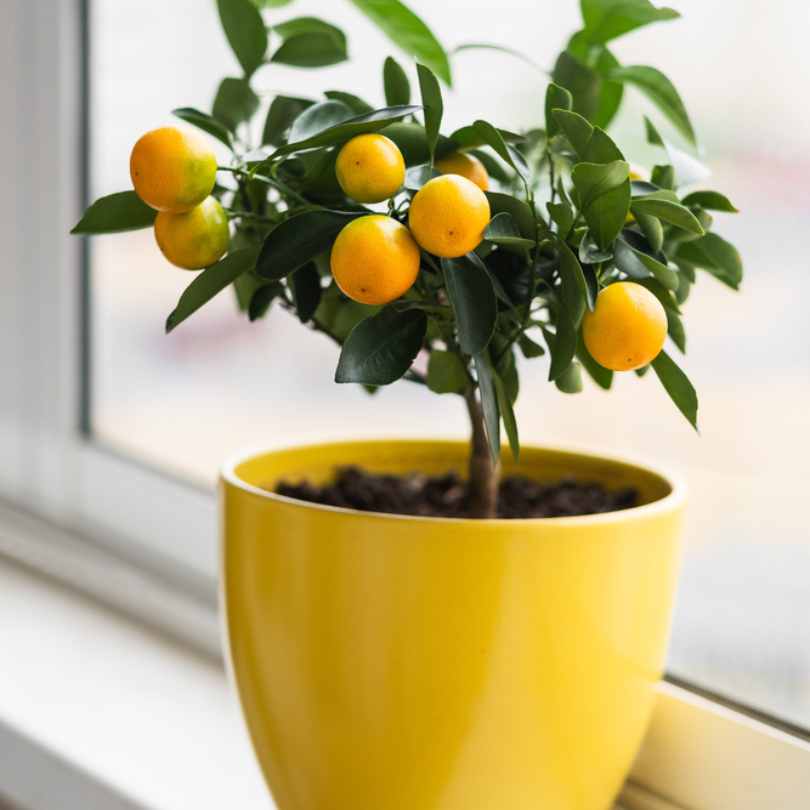
Calamondin growing by a window
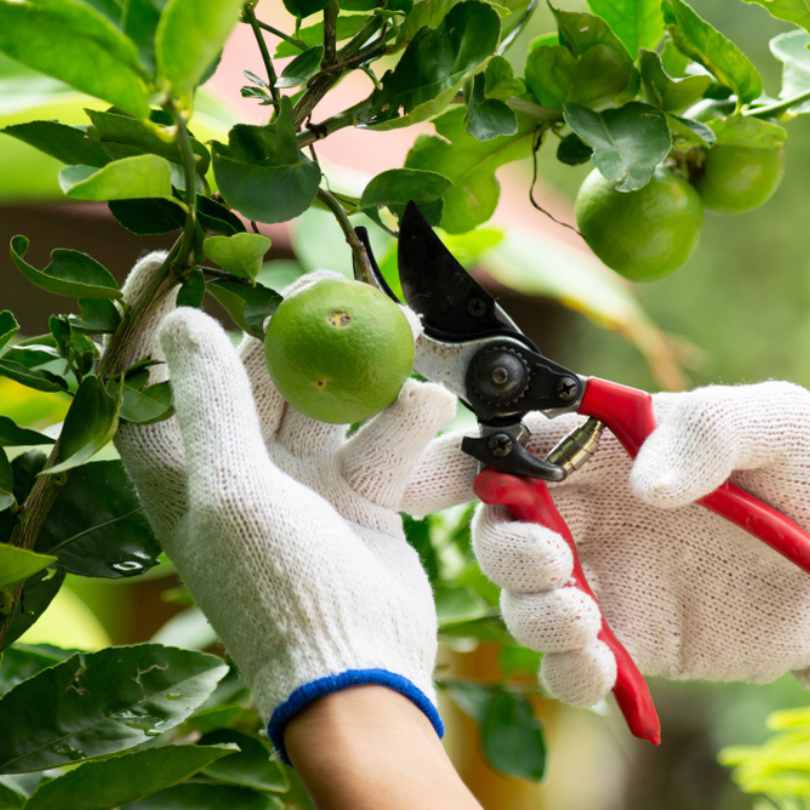
Harvesting Limes
Sunlight Requirements for Citrus Plants
Citrus plants need 8 or more hours of direct sunlight daily.
- Place containers outdoors in full sun from late spring through early fall
- Choose a sheltered location protected from strong winds
- Indoors, use a bright south- or west-facing window
- Grow lights can help supplement winter light levels
Lack of sunlight is the most common cause of poor citrus growth indoors.
Soil and Container Essentials
Proper drainage is critical for healthy citrus roots.
- Use a well-draining potting mix
- Avoid garden soil, which retains too much moisture
- Always choose containers with drainage holes
- Repot every 2–3 years or when roots become crowded
Healthy soil prevents root rot and supports consistent growth.
Watering Citrus Trees Correctly
Citrus prefers evenly moist soil, but never soggy conditions.
- Water when the top 1–2 inches of soil feel dry
- Water thoroughly until excess drains from the pot
- Reduce watering during winter when growth slows
- Mist periodically to retain moisture
During hot Long Island summers, container citrus may need more frequent watering.
Fertilizing Citrus Plants
Citrus trees are heavy feeders.
- Use a citrus-specific fertilizer with micronutrients like iron and magnesium
- Feed regularly from spring through early fall
- Reduce or stop fertilizing in winter
Yellow leaves often indicate nutrient deficiency rather than overwatering.
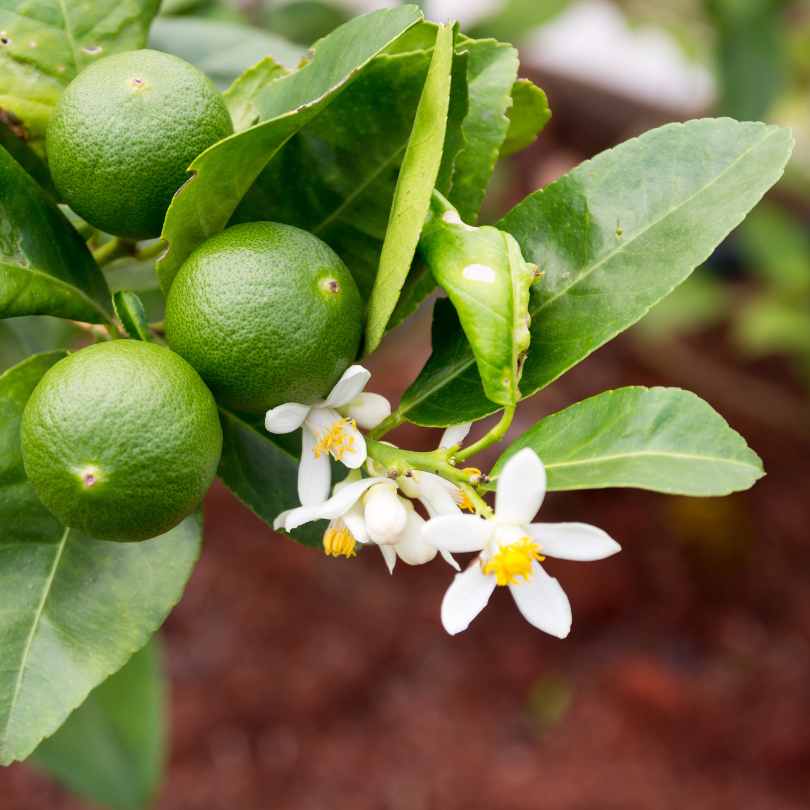
Lime Fruit & Flowers
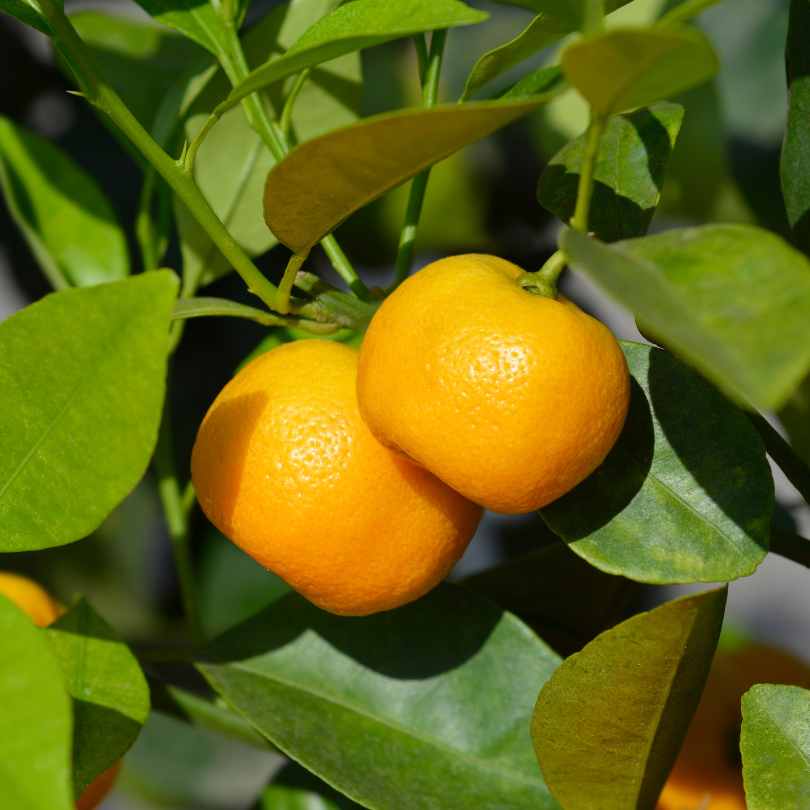
Calamondin Fruit
How to Pollinate Citrus Flowers Indoors
When citrus plants flower outdoors, bees and other pollinators usually take care of fruit set. Indoors, however, hand-pollination is often necessary to get fruit. Citrus flowers are self-pollinating, meaning pollen simply needs to be transferred within the flower or between flowers on the same plant. To do this, gently use a small paintbrush or cotton swab to collect pollen from the yellow center of one flower and lightly brush it onto the center of another flower. Repeating this process every few days while the plant is in bloom can greatly increase fruit production. Good air circulation and gently shaking the plant can also help distribute pollen naturally.
Overwintering Citrus Indoors on Long Island
Bring citrus plants indoors when nighttime temperatures drop below 45–50°F.
Winter care tips:
- Inspect plants for pests before moving indoors
- Place them in the brightest location available
- Expect some leaf drop during adjustment
- Keep plants away from heat vents and drafts
Calamondin citrus often continues flowering and fruiting indoors.
Growing Citrus Successfully on Long Island
With the right care, growing citrus on Long Island is both achievable and rewarding. Lemons, limes, and calamondin citrus bring beauty, fragrance, and fresh flavor to patios and indoor spaces year-round.
By providing ample sunlight, proper watering, good drainage, and seasonal care, Long Island gardeners can enjoy healthy citrus plants for years to come.