
Winter can be a mentally tough time of year for all of us. We’re spending less time outdoors in the sunshine and more time cooped up indoors. With freezing outdoor temperatures there is little time to open windows for fresh air. This can leave your home feeling stale. But, there is something you can do to bring life and fresh air back into your home – add houseplants!
The power of houseplants in enclosed spaces was first proven by NASA many years ago. Their research showed that houseplants clean the air we breathe by absorbing carbon dioxide and releasing oxygen into the air. Houseplants filter the air by removing indoor air pollutants commonly found in detergents, carpeting, furniture and paints.
Houseplants also have the power to add beauty to every room of your home. Picture an orchid on your night stand, herbs such as basil, lavender and cilantro on your kitchen windowsill, a vibrantly colored croton in your family room. Houseplants have the power to transform a room from bland into a spectacular indoor garden oasis.
Prior to shopping for a houseplant, think about where you want it to live in your home. Make yourself a list. Which room in your home? How much light is available in that room? How tall of a plant do you want? Answering these questions at home, where you can walk around and really think about your wants and needs. The sales staff here at Hicks Nurseries will need this information to help you choose your plants and you will now be prepared with a list full of the answers. Remember, it is every nursery associates goal to help you successfully grow plants, so be as honest and forthcoming with your answers as possible.
Here are five of the best air cleaning houseplants:
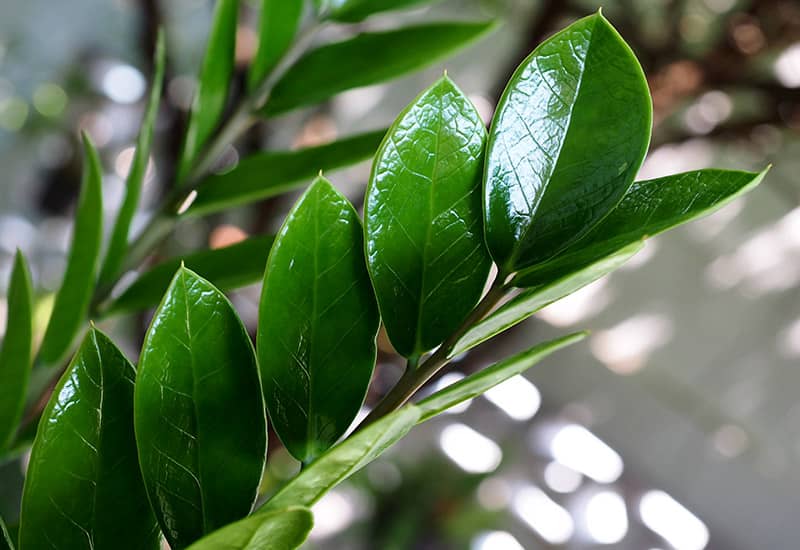
ZZ Palm (Zamioculas zamiifolia)
The ZZ plant has beautiful rows of dark green leaves on upright stalks. I have found it to be virtually indestructible. It thrives in low light conditions and requires little water.
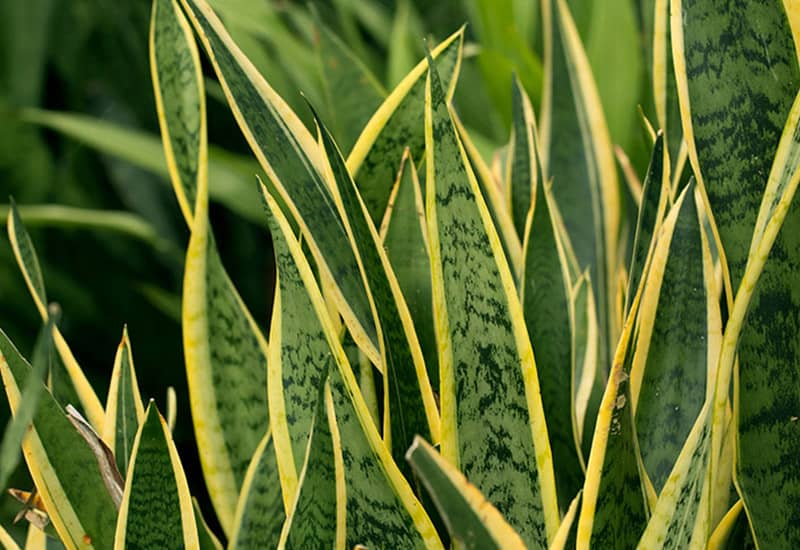
Snake Plant (Sansevieria trifasciata)
A modern looking plant with upright, sword-shaped leaves, the snake plant tolerates low light and neglect. Water sparingly in the winter months only when the soil is very dry.
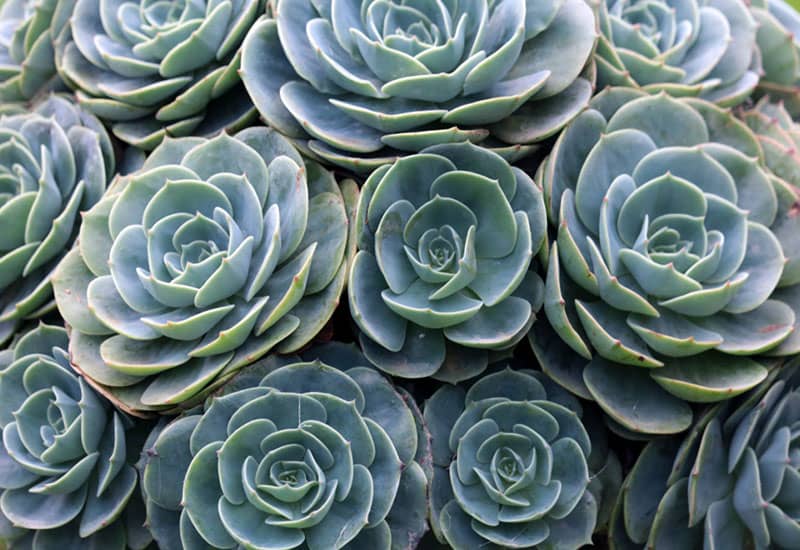
Cactus & Succulents
Cactus & succulents are a really fun group of plants. They are available in many shapes, sizes and leaf patterns. All they want is tons of direct sunlight and well-drained soil. Let them dry out between waterings.
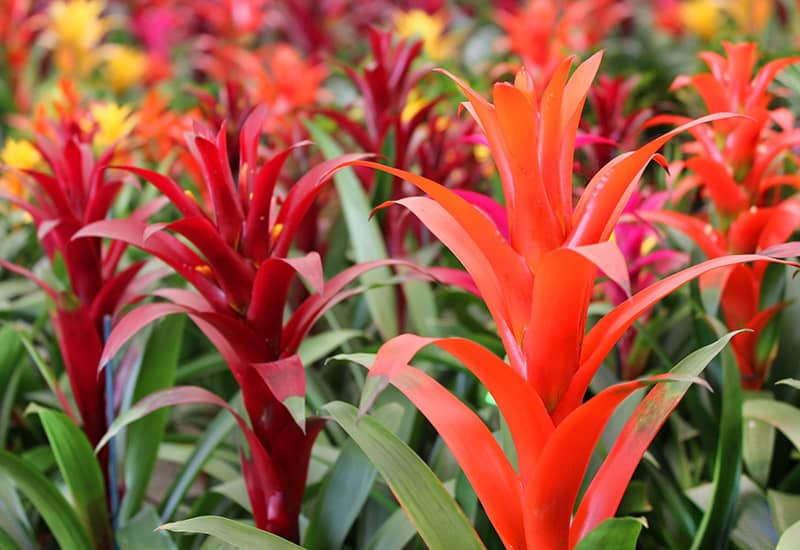
Bromeliads
Bromeliads are available in a wide assortment of varieties. Many sport a dramatic colorful spike that lasts for several months. They grow best in medium to bright light conditions.
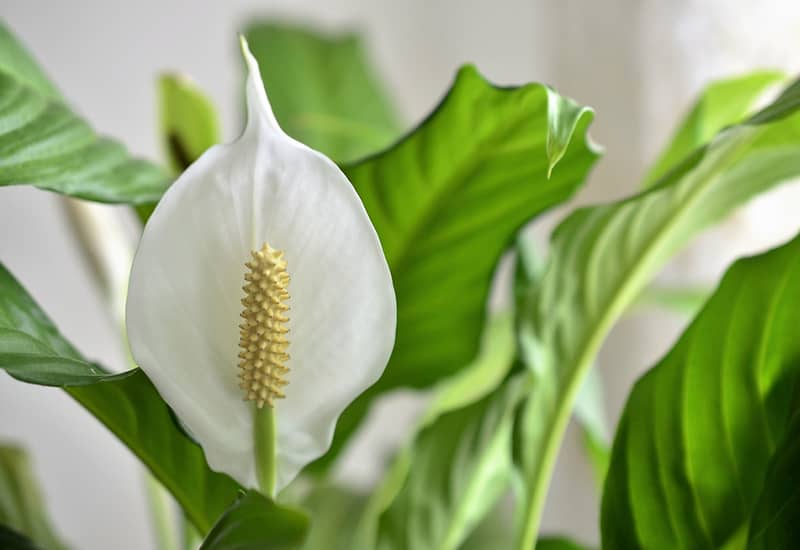
Peace Lily
This gorgeous plant has deep green, glossy leaves and pure white flowers. It tolerates low light but blooms and grows denser in medium light conditions. Bring houseplants into your home this winter. Their vibrant leaves and interesting textures will add beauty to your home while also cleaning the air you and your family breathe.
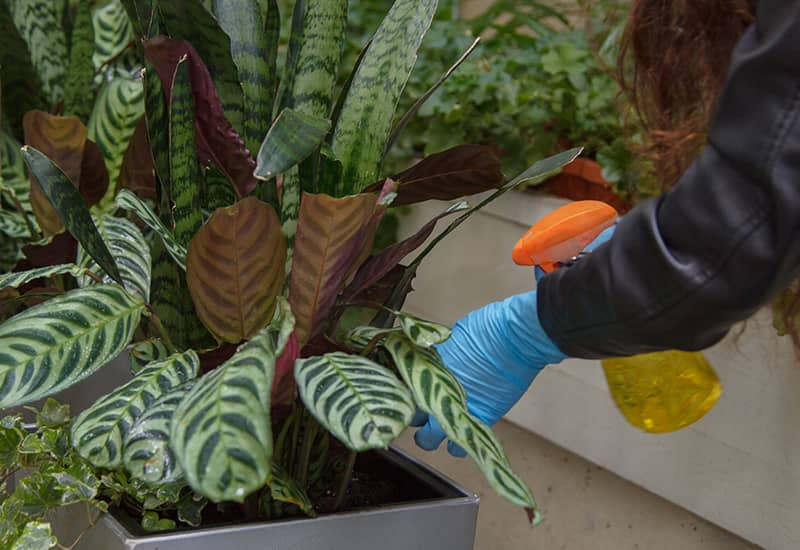
Houseplants Quick Tips:
To make your houseplants thrive, there are a few important things to consider.
Light
Know what kind of sunlight exposure you have in the location where you want your houseplant to live. Consider the direction that the window faces; be aware of trees or other outside structures that may block sunlight from the window.
Water
Water houseplants thoroughly only when the soil a few inches deep in the pot dries to the touch. If you are not sure if the soil feels dry don’t water it; instead come back and check it again tomorrow. Overwatering is the number one killer of most houseplants.
Indoor Temperatures
Houseplants like the same indoor temperatures as we do, but they do not like extremes. Avoid places on or near radiators and appliances that give off heat; they will cause the plant to dry out prematurely. Houseplants do not like cold drafts either; avoid air conditioner vents and doors that open and close to the outdoors often.
Fertilizer
Houseplants should be fertilized according to this schedule:
Light feedings starting in February.
Full feedings monthly from April through September.
No feeding is needed October through January.
Additional Information:
SHOP ONLINE