
.
One of the best ways to keep your garden healthy and attractive is proper winter pruning. In fact, this season offers a great opportunity to reshape plants and prepare for spring growth.
Why Winter?
Winter is ideal for pruning because most trees and shrubs are dormant. Without leaves, the branching structure is visible, making it easier to make precise cuts. Additionally, cleanup is quicker too—no leaf litter to manage. Moreover, dormant pruning also reduces stress on the plant. When spring arrives, the plant can focus on healthy new growth, not healing major wounds.
The Purpose Behind Pruning
Before anything else, as why you’re pruning. In nature, most plants grow without any trimming. However, in the garden, pruning helps manage size and shape. Sometimes it’s about structure. Other times, it’s about aesthetics or maintaining plant health. Ultimately, knowing your goal helps determine the right pruning technique.
How to Winter Prune
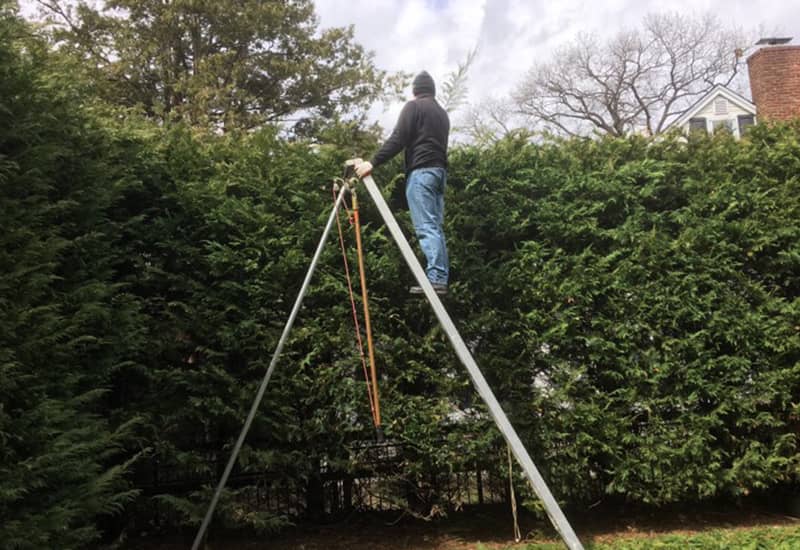
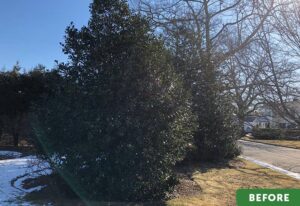
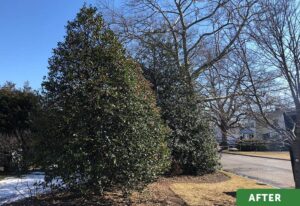
In many cases, preserve the plant’s natural form with targeted cuts. Remove crossing branches, overgrowth, and anything dead or damaged. Be sure to step back often to assess the shape. For example, formal hedges require more precision. Trim them so the top is narrower than the base. As a result, sunlight can reach lower branches, keeping the hedge full and green. If needed, try rejuvenation pruning on overgrown shrubs. Shrubs like yews and euonymus respond well to deep cuts. Over time, they grow back smaller and healthier. That said, always identify the plant before making major cuts.
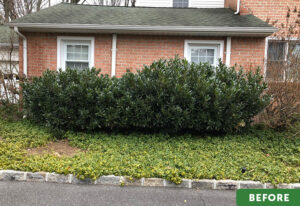
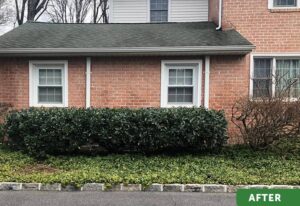
Hicks Landscapes offers a pruning program where our knowledgeable pruning crews will make the right cuts, the right way, at the right time to keep your landscape at its best.
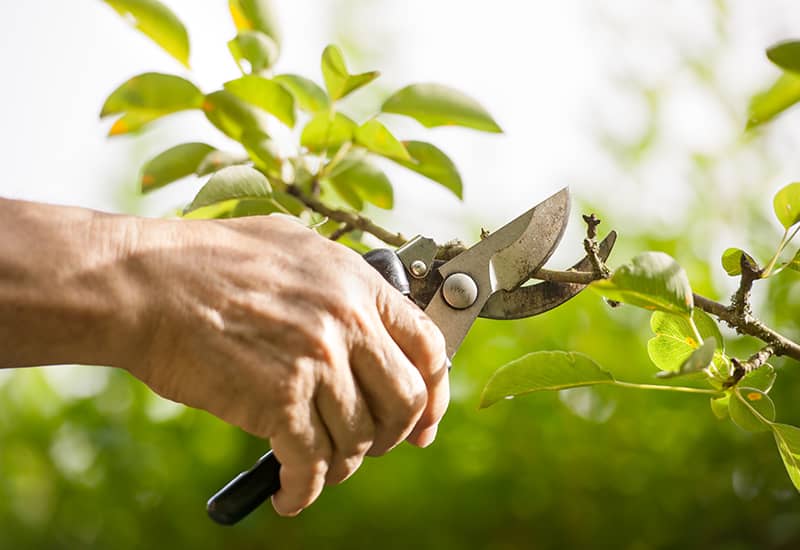
The Right Tools Matter
Of course, good tools make the job easier and safer. Use hand pruners for small cuts. For thicker branches, loppers offer more strength. Pruning saws handle the largest limbs, and pole pruners reach high spots. When in doubt, leave ladder work to professionals.
Finally, always use clean, sharp tools to avoid damaging plants. Hicks Nurseries carries all the pruning tools you’ll need for the job.
By Ken Muellers, Senior Landscape Designer, Lifetime CNLP
Additional Information: